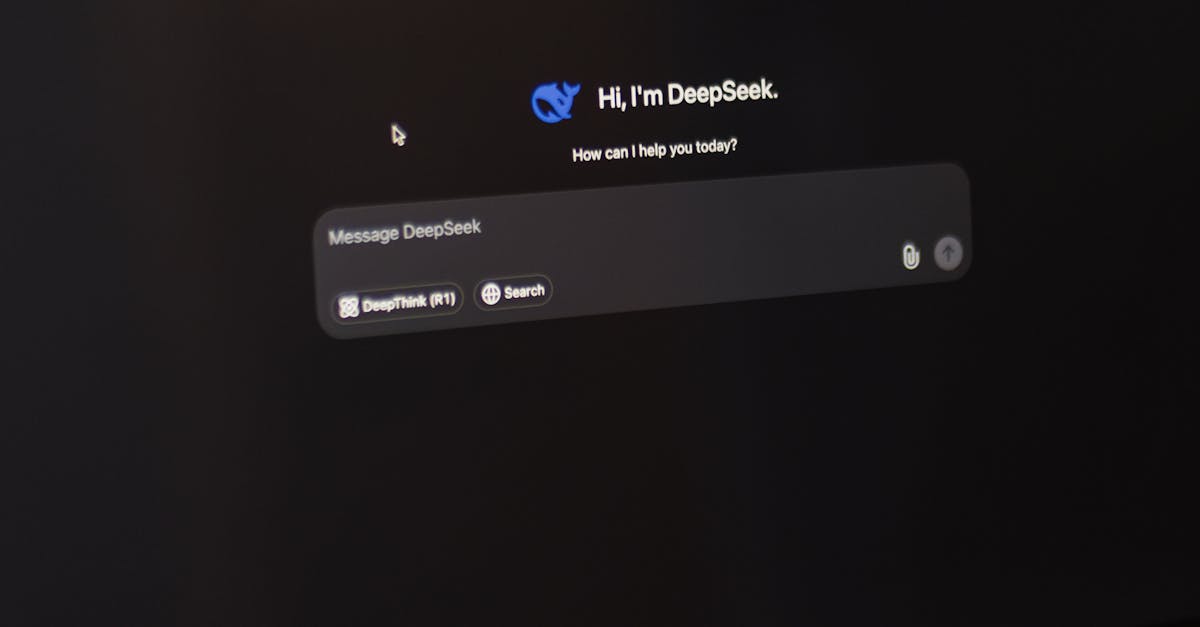
AI-driven search has fundamentally changed the digital landscape for small and mid-sized businesses. In 2026, when people search for solutions, services, or recommendations, AI engines such as ChatGPT, Gemini, Perplexity, and Claude now synthesize direct answers from authoritative sources—often skipping traditional website links. For SMEs, optimizing for these platforms through Generative Engine Optimization (GEO) is essential. GEO ensures that your business is not just ranked, but actually cited as the source in the answers these AI platforms deliver to users.
At Moonstone Digital, we see GEO as both a challenge and an opportunity for growth-focused businesses. Our experience with data-driven marketing strategies positions us to help local companies stand out in this new environment. Mastering GEO now means your brand will claim a share of voice in AI-powered search responses—and unlock sustainable inbound leads that don’t depend solely on Google’s blue links.
What is Generative Engine Optimization (GEO)?
Generative Engine Optimization (GEO) is the practice of making your digital content optimized specifically for discovery, selection, and citation by AI engines that generate text-based responses. Unlike traditional SEO, which targets high rankings in search results, GEO makes your website, articles, and resources easily retrievable and quotable by advanced AI systems. This shift is crucial, as the research shows less than 10% of sources cited in AI answers overlap with Google’s top organic search results.
How GEO Differs from SEO
| Aspect | Traditional SEO | GEO |
|---|---|---|
| Goal | Top search result rankings | Appear in directly cited AI answers |
| Platforms | Google, Bing, Yahoo! | ChatGPT, Gemini, Perplexity, Claude |
| Optimization Signals | Backlinks, technical SEO, keywords | E-E-A-T (Experience, Expertise, Authoritativeness, Trustworthiness), data-rich content, semantic structure |
| Main User Flow | Click-driven traffic | Brand exposure via direct answer synthesis |
Why GEO Matters for Small and Mid-Sized Businesses in 2026
Organic website traffic for SMEs is declining as AI summaries resolve more user queries without any clicks. Studies cited in industry research indicate over 60% of searches now end with an AI summary as the final answer. For companies in service-based sectors or those reliant on lead generation, missing out on GEO means losing both visibility and credibility at the authoritative moment of decision.
Moonstone Digital has witnessed this shift through real-world results—like helping WR Towing generate over 300 high-intent leads in just four months through conversion-focused optimization, and driving 200% conversion growth for Evntiful with refined campaign strategies. These case studies underline how tailoring your content (strategy, structure, and expertise signals) can dramatically improve outcomes. Now, with GEO, the focus is making that expertise discoverable and quotable by the AIs steering modern buying journeys.

Concise GEO Definition
Generative Engine Optimization (GEO) is the process of optimizing website and content assets so that AI-powered engines (such as ChatGPT, Gemini, and Perplexity) can discover, extract, and cite your content in their synthesized responses.
Moonstone Digital’s GEO Framework: Step-by-Step for SMEs
Our approach adapts Moonstone Digital’s proven 5-stage formula—Audit, Roadmap, Setup, Launch, Optimization—specifically for the requirements of GEO:
1. Audit for E-E-A-T and AI Synthesis Signals
- Review core website pages for Expertise, Experience, Authoritativeness, and Trustworthiness (E-E-A-T).
- Add credible author bios, achievements, and real testimonials—showcase experience, not just knowledge.
- Assess existing content for structure (headings, bulleted lists, tables) because AI prefers clean, scannable formats.
2. Layer in Actionable Data and Real-World Proof
- Integrate specific outcomes and proof points such as “200% conversion boost for Evntiful” or “300 qualified leads in 4 months for WR Towing.”
- Ensure each core page includes data or case studies to increase credibility with AI systems and users alike.
3. Restructure Content for AI Retrievability
- Use clear, hierarchical headings (H2, H3) and concise paragraphs for endpoint synthesis.
- Add FAQ sections, bullet points, and tables so information is easily segmented.
- Include schema markup for FAQs and HowTos if possible—this enhances machine readability.
4. Build Topical Depth and Semantic Clusters
- Create in-depth pillar pages (2,000+ words) covering all essential subtopics within your niche.
- Link 5-10 supporting pages to each pillar to build semantic authority—AI engines favor comprehensive, well-structured content clusters.
5. Technical Optimization for AI Accessibility
- Ensure fast page load times (aim for under 2 seconds), mobile-first responsiveness, and accessibility.
- Use semantic HTML for all key elements. Example: “digital marketing agency in Waterloo” in H2s and alt tags.
- Monitor server logs and Google Search Console for signals of AI or bot crawling patterns.
6. Track and Iterate Based on GEO Metrics
- Set up tracking for Share of Model (SoM)—the percentage of times your content is cited in AI engines for target queries.
- Regularly review which pages and assets drive the most citations and AI-derived referral leads, then double down on what’s working.
Common GEO Mistakes to Avoid
- Relying only on SEO best practices. SEO must evolve toward E-E-A-T and structured data for citation, rather than top-ten rankings.
- Lack of concrete evidence. Pages that only make generic claims will be ignored by AI. Include case studies, third-party awards, and authentic reviews.
- Not monitoring AI referrals. Without tracking SoM and AI-derived leads, businesses miss measuring actual GEO performance over time.
- Single-platform focus. GEO requires optimizing for diverse AI engines—structure and authority signals must be broad-based, not just Google-centric.
- Short-term mindset. AI indexes take months to adapt. Plan on a 3- to 6-month timeline for meaningful breakthroughs.
Best Practices for GEO Success with Moonstone Digital
- Collaborate with a data-focused agency to develop a GEO roadmap tailored to your industry and business goals.
- Refresh and expand key website pages quarterly, introducing new customer stories and proof as you earn them.
- Lean on full-cycle content marketing—target topical depth, structure, and data that sets your SME apart as the local authority.
- Continuous testing and adaptation: GEO is dynamic, so frequently audit, experiment, and refine your approach as AI evolves.
Moonstone Digital’s expertise in building tailored strategies, setting up conversion-focused systems, and reporting in real time makes us an ideal partner for SMEs aiming to win in this new landscape. Our success with brands like WR Towing and Evntiful highlights how a holistic approach—combining GEO content, technical excellence, and expert-led execution—drives measurable growth, not just impressions.
FAQ: Generative Engine Optimization (GEO) for SMEs in 2026
What is GEO and why does it matter now?
GEO is about making your content accessible and credible to AI-powered engines that generate search answers. With most user queries now resolved by AI, being cited directly in these responses is key for sustainable visibility and leads.
How is GEO different from traditional SEO?
SEO prioritizes search rankings and click-driven traffic, while GEO ensures your expertise, credibility, and data are cited within AI responses. The signals, content structure, and tracking metrics for GEO are more advanced and citation-focused.
How long does it take to see GEO results?
Many businesses begin seeing increased AI citations and referral leads within 3-6 months after implementing GEO best practices and ongoing audits.
Can Moonstone Digital help with all aspects of GEO?
Yes. Our expertise spans strategy development, technical setup, content audits, case study integration, and tracking ongoing performance. Our services cover the full GEO workflow needed for competitive advantage in AI-driven search.
What type of content works best for GEO?
In-depth pages with strong E-E-A-T signals, proven outcomes, detailed tables, bullet lists, and responsive design. Case studies, authentic testimonials, and data-backed claims strengthen your authority and the likelihood of being cited.
Do I need to overhaul my website?
In most cases, a targeted refresh of specific high-value pages (adding expertise signals, data points, and improved structure) will deliver significant GEO gains without a full redesign.
How does Moonstone Digital measure GEO progress?
We track the frequency and context in which your brand or website is cited in AI-generated responses for core queries, adjusting our strategy as needed to maximize your share of voice.
Conclusion: Claim Your Place in AI-Driven Search with Moonstone Digital
The shift toward AI-powered search is here to stay. For SMEs in Canada (and beyond), not embracing Generative Engine Optimization now means risking digital invisibility, even as your competitors grow more prominent in AI-driven dialogues. By auditing your site, layering in proof, restructuring content, and tracking AI citations—the GEO transformation is real, and the time to start is now.
If you’re ready to lead in the era of AI answers, request a tailored proposal from Moonstone Digital or contact our growth team at +1 (343) 505-0156. Let’s accelerate your growth together—optimizing not just for rankings, but for the future of discovery and trust online.